PEAKS OF SOUTHWESTERN UGANDA LIES BWINDI Impenetrable National Park, a sanctuary where time doesn’t just slow down—it stands still. As a UNESCO World Heritage Site, this primordial rainforest is more than a destination; it is the ultimate pilgrimage for the discerning traveler, sheltering nearly half of the planet’s remaining mountain gorillas within its emerald embrace.
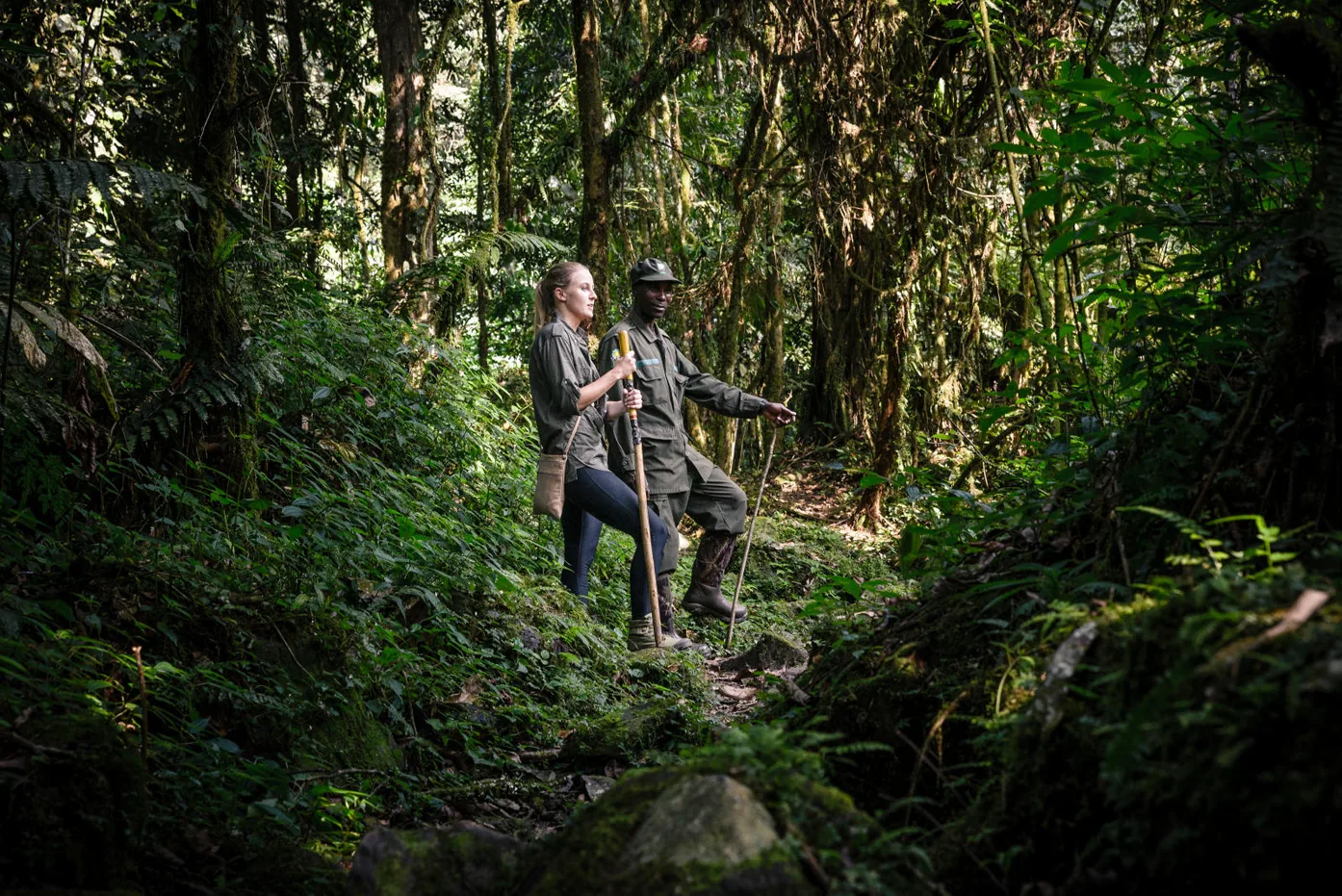
To enter Bwindi is to step into an ancient living gallery, where high-altitude ridges meet tangled, prehistoric flora.
For those seeking a life-altering encounter with these gentle giants, the park offers four distinct gateways:
Buhoma & Ruhija: Situated in the north and east, these sectors offer a refined trekking experience through sun-dappled canopies and ridges that provide breathtaking panoramas of the Albertine Rift.
Rushaga & Nkuringo: To the south, the terrain becomes more dramatic and rugged, rewarding intrepid explorers with intimate sightings against the backdrop of the majestic Virunga Volcanoes.
The most exquisite moments are found during the dry seasons—from June to August and December to February—when the forest air is crisp and the trails are bathed in a soft, golden light. Here, amidst the whisper of ancient trees, the luxury of the experience lies in the profound silence of the wild and the rare privilege of observing a silverback in his natural kingdom.
An Odyssey into the Emerald Heart of Africa
The mountain gorilla (Gorilla beringei beringei) stands as a profound mirror to our own existence, sharing an astonishing 98% of our genetic blueprint. Draped in thick, midnight-hued fur—an exquisite evolutionary adaptation to the biting chill of their high-altitude kingdoms—these Great Apes possess a presence that is both formidable and deeply soulful.
Their world is an exclusive one, confined to two emerald fortresses where time seems to hold its breath:
The Bwindi-Sarambwe Ecosystem: A prehistoric expanse of tangled green spanning Uganda’s legendary Bwindi Impenetrable National Park and the Sarambwe Nature Reserve in the DRC.
The Virunga Massif: A dramatic chain of volcanic peaks shared by the borders of Mgahinga (Uganda), Volcanoes (Rwanda), and Virunga (DRC) National Parks.
To stand in the presence of a silverback within these volcanic shadows is not merely a wildlife sighting; it is a silent, sacred dialogue with our most ancient relatives.
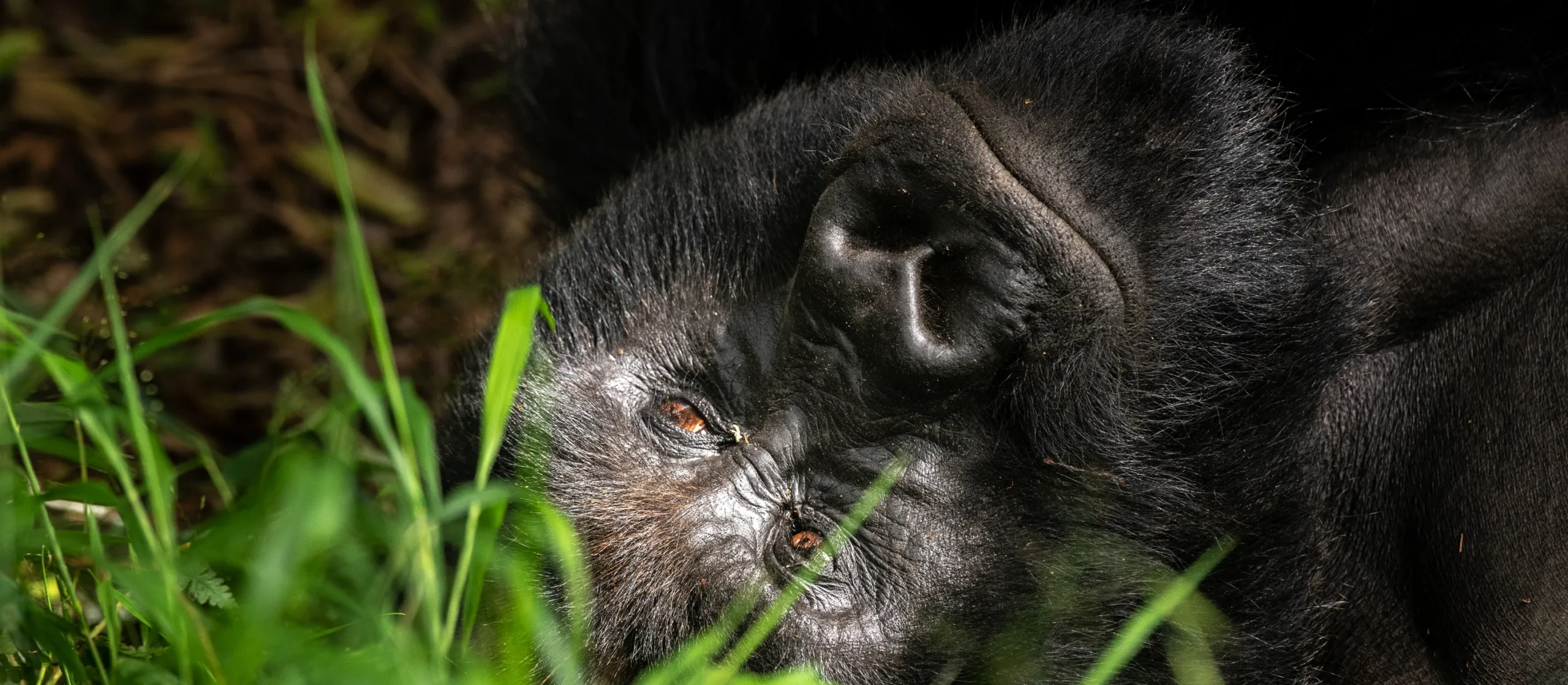
Why Bwindi Impenetrable National Park?
For those who seek the pinnacle of wild refinement, Bwindi Impenetrable National Park stands peerless. It is not merely a sanctuary, but a living masterpiece of evolution, cradling nearly half of the world’s remaining mountain gorillas. To walk these trails is to join an elite global circle of travelers who have looked into the eyes of the 459 silverbacks and matriarchs that call this emerald fortress home.
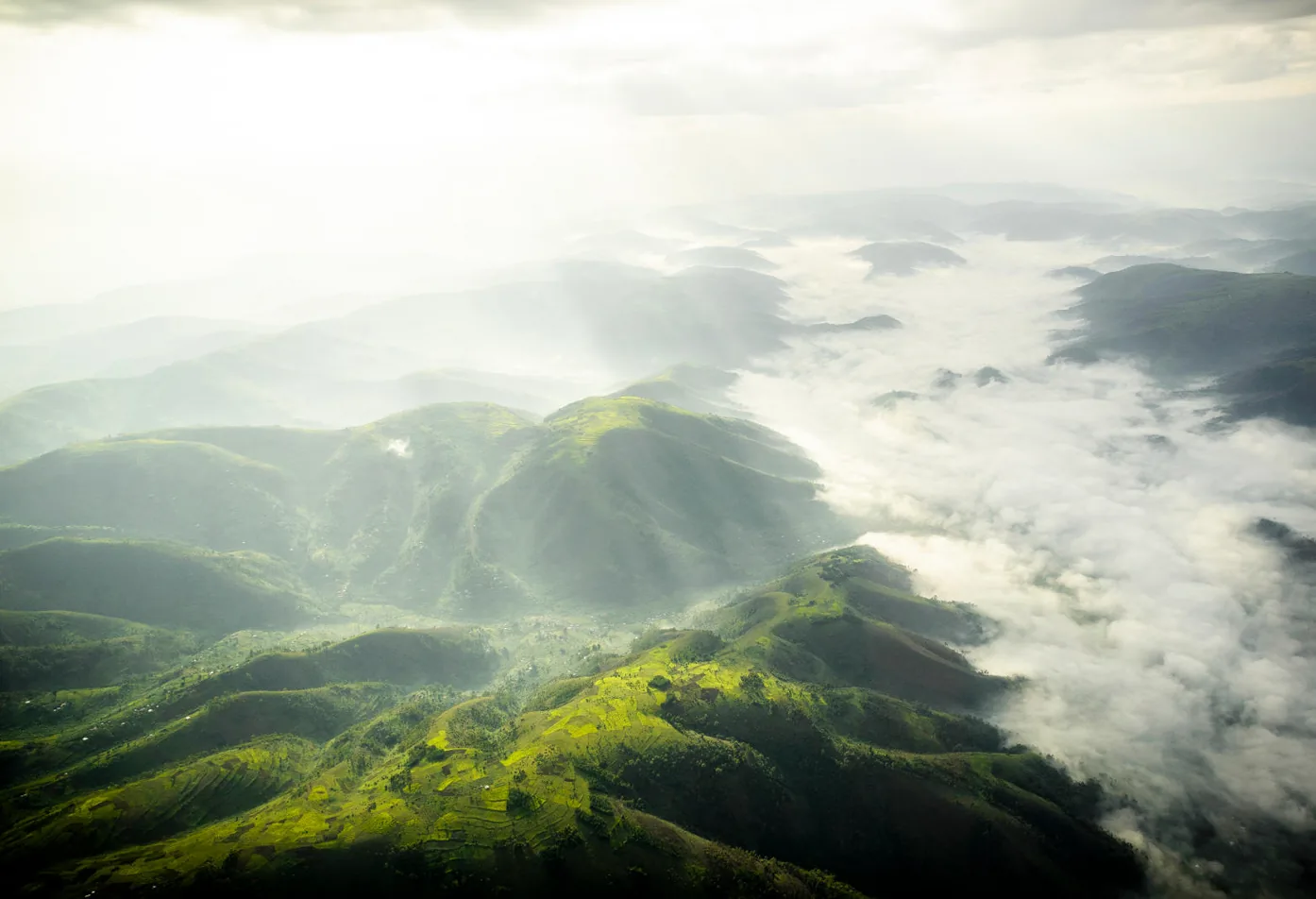
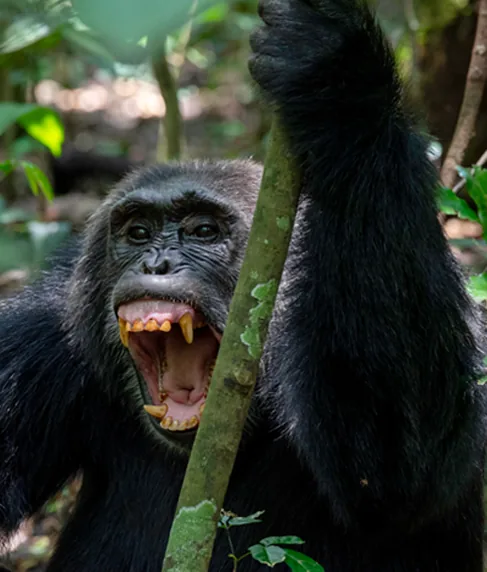
The allure of Bwindi transcends its famous primates. This is a realm of world-class biodiversity, where the air hums with the wings of over 350 bird species and the delicate dance of 200 varieties of butterfly. Within the deep shadows of the ancient canopy, forest elephants and chimpanzees roam, creating a multi-layered safari experience that rivals any on the continent.
While neighboring Rwanda offers its own charms, Uganda presents a compelling narrative of accessible luxury. At $800, a Bwindi permit offers an extraordinary value proposition compared to the $1,500 commanded across the border, allowing the discerning trekker to perhaps extend their stay in one of the region’s ultra-exclusive forest lodges.
Yet, the true crown jewel of the Ugandan experience is the Gorilla Habituation Experience. In an industry defined by fleeting moments, Bwindi offers the ultimate luxury: time. It is the only place on Earth where a select few can spend four immersive hours in the company of a semi-habituated family, transitioning from mere observer to a quiet witness to the complexities of gorilla society.
How to Get to Bwindi
For the discerning traveler, the journey to Bwindi Impenetrable National Park—the ancestral sanctuary of the mountain gorilla—is as much a part of the allure as the encounter itself. Whether you choose the slow rhythm of the rolling savannah or a swift ascent above the clouds, reaching this prehistoric rainforest is an exercise in refined exploration.
The Overlander’s Grand Tour: By Road
For those who find beauty in the shifting horizon, the drive from Entebbe or Kampala is a cinematic eight-to-ten-hour passage across 550 kilometres of the Ugandan heartland. This is not merely a transfer, but a masterclass in African landscapes.
To elevate the transit, we recommend an elegant pause at the Equator for a celebratory refreshment, followed by a restorative night at Lake Mburo National Park. Here, the journey is softened by the sight of grazing zebras and the quiet luxury of a wilderness lodge before arriving at the mist-shrouded gates of the forest.
Alternatively, the “Kigali Shortcut” has become the connoisseur’s choice. Entering from Rwanda, a sophisticated four-to-five-hour drive sweeps you through the dramatic “Land of a Thousand Hills,” crossing into Bwindi’s southern reaches via the Cyanika or Katuna borders.
A Note on the Fleet: In these rugged altitudes, a luxury 4×4 vehicle is not an option—it is an absolute necessity. The emerald terrain is as unforgiving as it is beautiful, requiring the power and poise of a dedicated off-road machine to navigate the park’s winding, rain-kissed ridges.
The Aerial Ascent: By Flight
For those who prefer to swap the dusty road for a bird’s-eye view of the Albertine Rift, the journey by air is unparalleled. Daily scheduled services and private charters depart from Entebbe International Airport or the boutique Kajjansi Airstrip.
Taking wing with AeroLink Uganda, you’ll soar over a patchwork of crater lakes and terraced hillsides. Travelers heading to the northern sectors of Buhoma or Ruhija will descend upon the Kihihi Airstrip, where a private transfer awaits to whisk you from the tarmac into the cool, ancient embrace of the Impenetrable Forest in mere moments.
Navigating the Four Sectors of Bwindi
Bwindi is not a singular destination, but a sprawling, prehistoric tapestry divided into four distinct realms. For the discerning trekker, selecting a sector is an exercise in tailoring the experience—balancing physical ambition with the desired “flavor” of the wild.
Buhoma: The Heritage Gateway
As the ancestral home of gorilla tourism, Buhoma remains the park’s most storied and sophisticated enclave. It is the connoisseur’s choice for those who appreciate refined infrastructure and a gentler pace. The trails here wind through ancient ferns and towering hardwoods with a more forgiving gradient, making it the premier selection for travelers seeking a world-class encounter without the most grueling physical demands.
Ruhija: The Alpine Sanctuary
Perched at a breath-taking altitude of 2,500 meters, Ruhija is the mist-veiled crown of the forest. This sector is defined by its crisp, cool air and sweeping vistas that stretch across the horizon to the jagged silhouettes of the Virunga Volcanoes. While the gorillas remain the stars, Ruhija is a dual-purpose paradise, frequently sought after by elite birdwatchers drawn to its rare, high-altitude endemics.
Rushaga: The Heart of Habitation
For those who wish to go beyond a mere sighting, Rushaga offers the most intimate immersion into the lives of these Great Apes. Boasting the highest density of habituated families, it is the exclusive home of the Gorilla Habituation Experience. This rare opportunity allows a limited number of guests to spend four profound hours in the company of a wild troop, witnessing the delicate process of building trust between man and beast.
Nkuringo: The Steep Ascent of Splendor
Nkuringo is the sector for the true adventurer—the traveler who finds beauty in the struggle. Renowned for its dramatic, vertical terrain, it offers the most physically rigorous trekking in the park. However, the rewards are unmatched: at the summit, the forest peels back to reveal staggering panoramic views of the entire Albertine Rift. It is a place of raw, unadulterated power, where the steep climb only serves to make the eventual encounter feel all the more earned.
A Curated Three-Day Sojourn
For the global traveler, time is the ultimate luxury. This three-day immersion is designed to balance the raw intensity of the African jungle with the refined comforts of a world-class retreat, ensuring every moment in the presence of the mountain gorilla is framed by elegance.
Day One: The Ascent into the Mist
Your journey begins with a seamless arrival at Entebbe or Kigali, where a private transfer awaits to whisk you toward the ancient, undulating landscapes of the Kigezi Highlands. As the air cools and the vegetation turns a deep, prehistoric green, you will arrive at your sanctuary—a boutique forest lodge perched on the edge of the Albertine Rift.
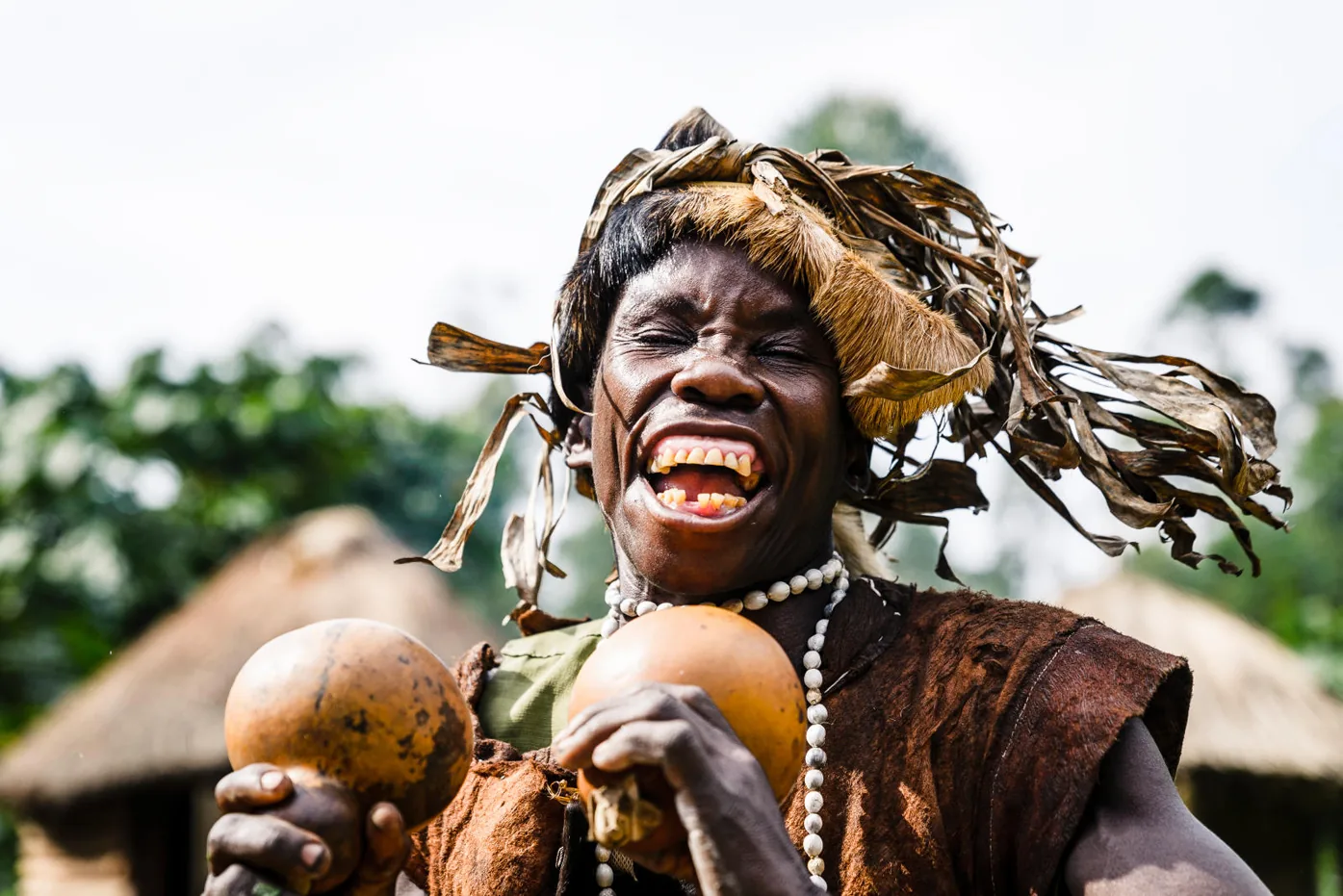
After a refreshing welcome, step out for a curated “Community Encounter.” Accompanied by an expert guide, you will walk the red-earth paths to meet the Batwa or Bakiga people. This is a rare opportunity to witness the living history of the “Keepers of the Forest,” sharing in their stories and ancient traditions as the golden hour settles over the canopy.
Day Two: The Encounter of a Lifetime
The morning air is crisp as you gather for an intimate 7:30 AM briefing, the anticipation palpable. Today is the day you enter the “Impenetrable” heart of Bwindi. Led by seasoned trackers, your trek may last thirty minutes or seven hours, winding through tangled vines and giant lobelias in pursuit of the forest’s royal residents.
When you finally break through the foliage to find a Gorilla Family, time stands still. For one profound hour, you are a silent witness to their world—the playful tumbles of infants and the quiet, commanding presence of the Silverback. Upon your return, the afternoon is yours to command: perhaps a restorative massage at the spa, or a gentle hike to a hidden forest waterfall where the only sound is the rhythm of falling water.
Day Three: Reflections on the Water
Your final morning offers a choice of scenic departures. For those traveling via the southern gateway of Kisoro, we recommend a sunrise canoe excursion on Lake Mutanda. Gliding across the glass-like surface in a traditional dugout, with the silhouettes of the Virunga Volcanoes reflecting in the depths, provides a moment of Zen-like clarity before your flight. Whether you depart by air or road, you leave Bwindi not just with photographs, but with a soul permanently altered by the wild.
A Legacy of Conservation in Bwindi
In the emerald heights of the Albertine Rift, luxury is redefined not by the thread count of your linens, but by the profound impact of your presence. To trek through Bwindi is to participate in one of the world’s most successful conservation stories. Every permit issued is a direct investment in the survival of the mountain gorilla, transforming high-end tourism into a powerful engine for ecological preservation.
The Thin Green Line: Anti-Poaching and Habitat Protection
The true heroes of Bwindi are the dedicated rangers who traverse these vertical landscapes daily. Your contribution fuels relentless Anti-Poaching Patrols, a specialized force tasked with the delicate work of sweeping the forest floor for snares and monitoring the canopy for signs of illegal logging. By securing the habitat from encroachment, these guardians ensure that the “Impenetrable” forest remains an untouched sanctuary for generations to come.
The Covenant of the Canopy: Community Empowerment
True conservation is impossible without the heartbeat of the people. Under the visionary stewardship of the Uganda Wildlife Authority (UWA), a sophisticated revenue-sharing model ensures that the forest’s neighbors are its greatest protectors. A significant 20% of all park entry fees is funneled directly back into the surrounding villages. From funding local schools to developing sustainable agriculture, this partnership mitigates human-wildlife conflict and replaces the desperation of poaching with the pride of guardianship.
The Modern Medicine of the Wild: Research and Veterinary Care
Beyond the foliage, a quiet revolution in wildlife medicine is taking place. Collaborative efforts with world-class organizations like Gorilla Doctors provide a safety net for these great apes. These “forest physicians” perform high-stakes medical interventions—treating respiratory ailments or healing injuries—directly within the wild. Supported by your visit, this cutting-edge veterinary care and ongoing scientific research represent the frontline of defense against extinction, ensuring that the mountain gorilla does not just survive, but thrives.
Where to Lay Your Head in Bwindi
In the emerald labyrinth of Bwindi, luxury isn’t just about thread counts or cellar lists; it’s about your proximity to the ancient. The park’s geography is a masterpiece of complexity, and the golden rule of any well-planned pilgrimage here is logistical alignment: Always anchor your stay in the specific sector—Buhoma, Ruhija, Rushaga, or Nkuringo—that matches your trekking permit.
The rugged ridges that separate these regions turn a short distance into a two-to-three-hour pre-dawn odyssey. By staying local, you trade the jolting bounce of a Land Cruiser for the gentle chorus of the forest at dawn.
The High-Altitude Sanctuaries: Luxury Reimagined
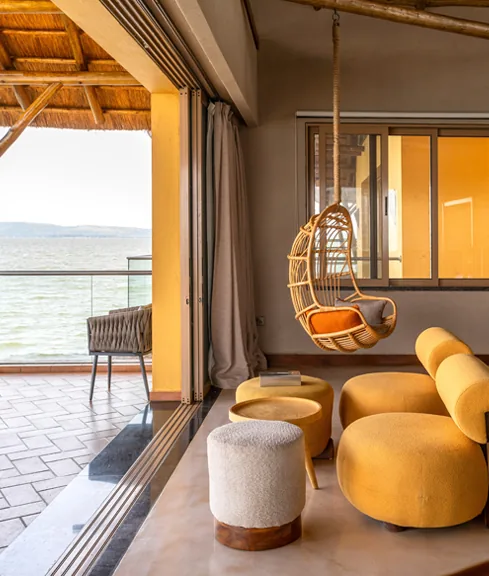
For those seeking an elevated experience that mirrors the majesty of the Great Apes, Bwindi’s high-end lodges offer a seamless blend of sophisticated design and raw wilderness.
At Mahogany Springs, Silverback Lodge and Clouds Mountain Gorilla Lodge in the clouds of Nkuringo, stone cottages are warmed by personal fireplaces and served by dedicated butlers who anticipate your every need. Meanwhile, Sanctuary Gorilla Forest Camp in Buhoma offers a rare privilege—it is the only lodge located within the park’s actual boundaries. Here, the gorillas are known to wander across the manicured lawns, offering a truly surreal breakfast backdrop. Expect world-class fine dining, panoramic forest views that stretch into the Congo, and a level of service that feels deeply personal.
The Soulful Retreats: Conscious Comfort
If your travel philosophy leans toward authentic immersion and eco-conscious simplicity, the park’s mid-range and boutique budget options offer a profound connection to the landscape.
Rushaga Gorilla Camp, Bwindi Guest House, Orugano Bwindi Lodge, Ruhija Gorilla friends’ Lodge among others provide a comfortable, elevated base for exploring the park’s southern sectors, while the Buhoma Community Rest Camp serves as a model for sustainable tourism. Often community-owned or deeply integrated with local cooperatives, these lodges—including the vibrant Nkuringo Backpackers—offer more than just a bed. They provide local “flavor,” from traditional Bakiga architecture to farm-to-table meals sourced from nearby hillsides. It is comfort with a conscience, where the warmth of Ugandan hospitality is the ultimate amenity.
Trekking through the ancient, mist-shrouded ridges of Bwindi Impenetrable National Park is a bucket-list pilgrimage that demands more than just a sense of adventure. To stand eye-to-eye with a mountain gorilla in the wild is a privilege earned through meticulous planning and physical grit. Before you step into this prehistoric sanctuary, here is how to prepare for a journey that will stay with you long after the mud has washed off your boots.
The Golden Ticket: Securing Your Permit
The cornerstone of any Ugandan odyssey is the Gorilla Trekking Permit. These are the most coveted documents in African travel, with strictly limited daily availability to ensure the gorillas’ habitat remains a sanctuary, not a spectacle. You must orchestrate this months—if not a full year—in advance. Whether you navigate the bureaucracy of the Uganda Wildlife Authority (UWA) yourself or enlist a specialist tour operator to handle the logistics, securing your permit is the definitive first step. Without it, the forest remains closed to you.
The Physicality of the Forest: A Test of Endurance
Bwindi did not earn the moniker “Impenetrable” by accident. This is raw, vertical terrain where “trails” are often little more than the path a silverback cleared an hour prior. Be prepared for steep, muddy, and off-trail hiking that can last anywhere from two to seven hours. The altitude alone—reaching up to 2,500 meters—will test your lungs. While porters are available (and highly recommended) to assist with your pack, a baseline of cardiovascular fitness will ensure you spend your time marveling at the primates rather than gasping for air.
The Sacred Bond: Health and Biosecurity
The mountain gorilla shares roughly 98% of our DNA, making them tragically susceptible to human ailments. In an era of heightened global health awareness, Bwindi maintains a strict “no-trek” policy for anyone showing signs of communicable diseases, including the common cold, flu, or stomach viruses. If you are unwell, you will be barred from the forest to protect these critically endangered Great Apes from a potentially fatal outbreak.
It is a sobering reminder that in this wilderness, we are the guests, and their survival is our primary responsibility.